


9 Steps to Launching a Kids Program at Your Church
How do I organize my children’s ministry?
Starting a children’s ministry from scratch can be a big challenge. You have to navigate parental expectations, curriculum options, and hundreds of little questions about how things should work. For this discussion, I’m assuming you are at a smaller church with no paid children’s ministry staff.
There is no one ‘right way’ to do children’s church. In fact, what works for your ministry this year will need adjustment next year. Like most ministry programs, kids church is always a working experiment.
Free: complete Sunday school lessons to try
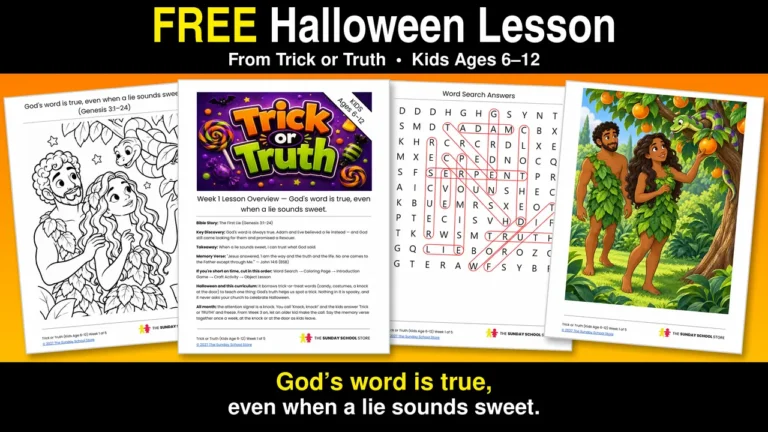
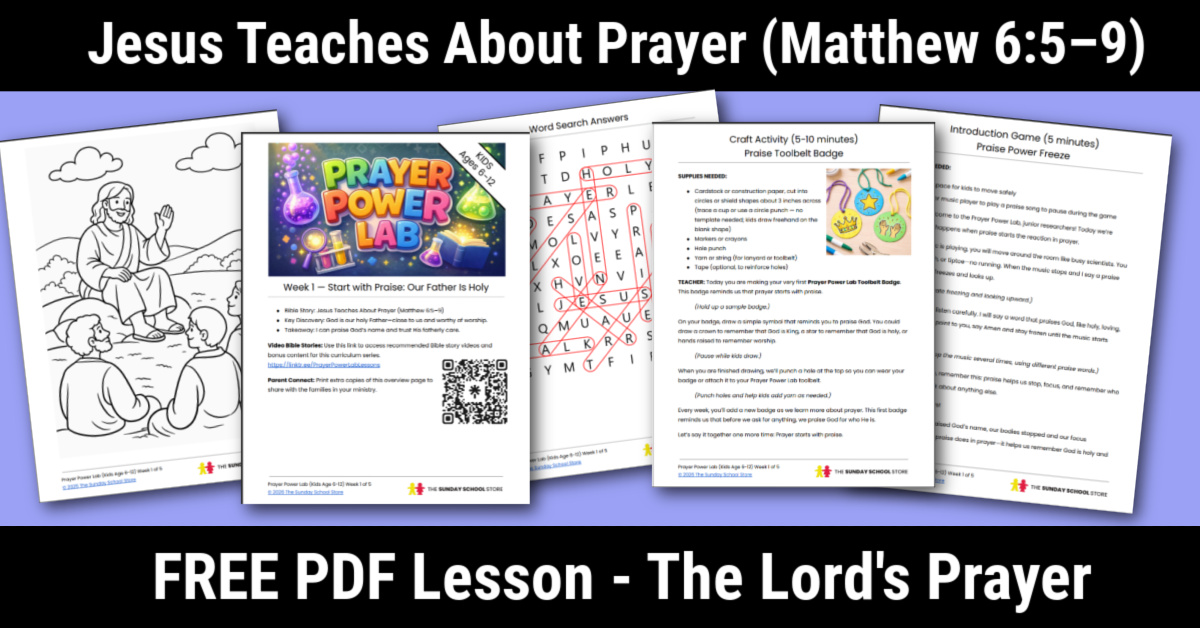
Ready-to-print lessons from our 2027 series: four for kids ages 6–12, six for preschool ages 3–5. Read it through once and teach this Sunday. Free checkout, the download comes by email.
Teaching preschool? Get the 6 free preschool lessons.
This article is a road map to help you get started. I’ve broken down the process into 9 manageable steps to bring clarity. In reality, several of these steps overlap and require tweaking over time. At the end of this post I’ve also linked a few more articles about starting a kids church. If you need more help, feel free to ask your specific questions in our forums about children’s church.
1. Gather a Leadership Team
Having the right people in place from the beginning is essential. I would include key people who would lead the program, interested parents, and your pastor. This leadership team is the group that will direct the program and make the major decisions to get the program started.
2. Determine the Age Group
You need to ask, “What aged-groups of children will participate in this program?” Churches vary widely in this respect. Many kids church programs cap the age around 3rd grade. Others extend through the end of elementary school. This largely depends on your pastor’s opinion about who can benefit from the preaching in his adult worship service. You also need to determine where the preschoolers will go. Some churches have a class just for them during church, while others include then in children’s chuch.
3. Determine the Format
There are several important issues to be decided about the format. Will the kids attend a portion of the adult service and then be dismissed? Some churches have individual classes more like a second Sunday School period. Others have a single gathering where children sing worship songs and learn in something like a VBS worship rally. Often this comes down to preference and space available. I personally like where kids worship with their families, then come back for age-appropriate Bible teaching in a large group. When possible, we finish our time in smaller age-graded groups for prayer & discussion.
4. Choose Curriculum for Children’s Church
Once the format and age-range is settled, you can begin to choose curriculum. Most major Christian Education publishers have a curriculum for Children’s Church. Many will include worship music on CD or DVD. If you budget is tight you can use our free Bible lessons or learn how to build your own Bible teaching plan.
5. Establish Discipline & Safety Guidelines
To begin, you will need to adopt some basic policies for safety and behavior management. If you are just starting out, begin with a simple one-page document. Brainstorm with your leadership team and create a working draft. Post it in your room and make sure all the weekly children’s church follow these guides. You might find my article on Children’s Ministry Safety & Security helpful.
6. Plan the Order of Service
Decide the basic elements and general order you will follow. You can put this on a poster board in your children’s church area so the children will know what to expect. This can add consistency if you have multiple volunteer leaders. Some elements to include: Call to Worship (short bible reading), Prayer, Worship music, Bible lesson, discussion, flexible closing activities (craft, games, snacks, bible trivia). You can see some good examples on the Sojourn Kids blog.
7. Recruit and Train Volunteers
Now you’re ready to identify church members to become leaders in your program. Many churches work out a four-week volunteer rotation schedule for kids church. To begin, ask people who have served in other children’s ministry programs. If possible, mix in new recruits with your long-time workers for in-ministry training. You might also read this post about finding kids ministry volunteers.
8. Communicate the Program to the Church
It’s important to let the church and parents know about the program several weeks in advance. This is especially true if your congregation has never had a kids church. If you are in a small church, talk to all the affected parents one-on-one. Be aware of any concerns that parents raise and ensure then the program is optional for each family. You can read my post about communication in kids ministry.
9. Evaluate with the Leadership Team
Once you are a few weeks into the program, meet with the leadership team to re-evaluate. Walk through all elements of your plan and talk about what is working and not. Brainstorm ways to improve the program.
I hope this article has given you a solid place to start. You can leave a message below if you want to share your suggestions for starting a children’s church. For more help, be sure to read our advice and guide for new children’s ministers.
Children’s Ministry FAQ
Why is children’s ministry important, and what is the purpose of it?
Children’s ministry is a vital part of a church’s mission. It introduces children to the love of God, builds a foundation of faith, and plants seeds for a lifelong relationship with Jesus Christ. Children are the future of the church and the next generation of believers. Read more: Video: Why is Children’s Ministry Important?.
What is children’s ministry in churches, and what does the Bible say about it?
Children’s ministry focuses on teaching, nurturing, and discipling children in their faith journey. The Bible speaks of the importance of children, like in Matthew 19:14, where Jesus says, “Let the little children come to me.” Children’s ministry answers the biblical call to instruct children in the ways of the Lord.
Why serve or volunteer in children’s ministry, and why does it matter?
Serving in children’s ministry impacts the next generation for Christ. It helps children build a strong foundation of faith. Church volunteers guide children toward a deep relationship with Jesus while sharing in their joy as they discover God’s love. Read more: Children’s Ministry Volunteers: What they learn w/o training.
How do I start a children’s ministry in a small church or on a small budget?
Starting a children’s ministry in a small church begins with prayer, vision, and a heart for kids. Start simple, perhaps with a weekly Bible club. Focus on building relationships, using creative Bible lessons, and growing the ministry. Starting a children’s ministry on a budget requires creativity. Use free resources from websites and everyday materials for crafts, and recruit passionate volunteers. Focus on the basics: teaching the Bible in fun, engaging ways. The heart of the ministry matters far more than the size of the budget. Read more: Children’s Ministry Budget: 8 Tips for Doing More with Less.
How can I find free resources for children’s ministry?
Many websites offer free children’s ministry resources, curriculum, lessons, and Sunday School activities. Ministry-to-Children has 4,500 free lessons and printables, free since 2006. Read more: Ministry-to-Children home page.
How do I choose the right curriculum for my children’s ministry?
Curriculum depends on the ages of your children and your church’s theology. Look for Biblically sound, engaging content that fits your church’s context. Free resources are available online, for your teaching and church’s specific needs. Read more: How to Choose a Sunday School Curriculum.
What is the best way to engage children in Sunday school lessons?
To engage children, use variety in teaching styles: storytelling, hands-on activities, games, and group discussions. Keep the lessons fun and interactive, using simple Bible crafts. Focus on a positive environment where kids can explore their faith. Read more: How to Teach Sunday School.
How do I create a safe environment for children in our ministry?
Safety is essential in children’s ministry. Establish clear child protection policies, including background checks for volunteers, proper supervision ratios, and emergency procedures. The environment should be clean, age-appropriate, and welcoming for all children, including those with special needs. Read more: Sunday School Safety and Security in Children’s Ministry.
How do I recruit and retain volunteers for children’s ministry?
To recruit volunteers, communicate the vision of the ministry and explain the roles needed. Offer support, training, and resources to help volunteers feel prepared. Retain volunteers by creating a positive team atmosphere, showing appreciation regularly, and offering opportunities for growth and feedback. Read more: 5 Tips for Volunteer Recruitment in Children’s Ministry.
What are some ways to engage children with different learning styles?
Children learn in different ways, so it’s important to mix teaching methods. Use visuals for visual learners, music and storytelling for auditory learners, and hands-on activities for kinesthetic learners. Engaging children through different approaches ensures everyone connects with the lesson in meaningful ways.
How do I involve parents and help them grow their children’s faith?
Involving parents is key to supporting a child’s spiritual growth. Keep them informed about what their children are learning through newsletters or take-home materials. Host events that encourage parent-child interaction, and provide them with resources to help nurture faith at home. Partnering with parents involves regular communication and providing them with tools to reinforce the Bible lessons at home. Share weekly updates on what their children are learning and offer suggestions for family discussions. Creating events that involve both parents and children fosters a deeper connection between home and church life. Read more: How to Partner with Parents in Kids’ Ministry.
What are some leadership tips for running a successful children’s ministry?
Strong leadership involves clear communication, building a dedicated volunteer team, and maintaining a servant-leader mindset. Regular training, encouragement, and prayer are essential for your team. Stay organized, be adaptable, and always keep the focus on leading children closer to Jesus. Read more: Advice for a New Children’s Ministry Job.
How can digital resources enhance children’s ministry?
Digital resources like video lessons, Bible apps, and online games can make lessons more interactive and engaging. They’re also great for connecting with children who can’t attend in person. Many platforms offer free digital tools, making it easier to adapt to both in-person and virtual teaching environments. Read more: Poll: Do you always “print” your Bible lesson?.
How do I strengthen or grow an existing children’s ministry?
To strengthen your ministry, evaluate what’s working and identify areas for growth. Recruit new volunteers, introduce fresh activities, and focus on building relationships within your church. Casting a compelling vision for the future and ensuring parents are involved will help your ministry flourish. Read more: Smart Ways to Grow Your Kids Church.
How do I address tough topics like sin and salvation with children?
When addressing difficult topics, use simple, age-appropriate language. Focus on God’s love and forgiveness while explaining concepts like sin and salvation in a way children can understand. Encourage questions, and make sure the children feel safe and supported as they explore these important themes. Read more: Salvation Sundays in Kids Church.
What are some creative ways to teach children with special needs in church?
Teaching children with special needs requires flexibility and creativity. Break lessons into smaller, manageable parts, and offer different ways for children to engage with the material, such as through sensory-friendly activities. Communication with parents is key to understanding each child’s unique needs and adapting lessons accordingly. Read more: Adapting Lessons for Special Needs Sunday School Curriculum.
What are some strategies for hosting VBS or special events in children’s ministry?
Planning a successful Vacation Bible School (VBS) or special event starts with clear organization, a compelling theme, and lots of creativity. Gather volunteers early, assign specific roles, and make use of online resources for ideas. Engaging activities, music, and storytelling are key elements for a memorable event. Read more: VBS for Small Churches: 6 Schedules, a 6-Volunteer Plan, and a Free Planning Pack.
How do I measure the success of a children’s ministry?
Success in children’s ministry isn’t only about numbers; it’s about spiritual growth. Look for signs of children growing in their faith, forming positive relationships, and understanding God’s love. Gathering feedback from parents and volunteers can also help you assess what’s working and where improvements can be made.
How can I use storytelling effectively in children’s ministry?
Storytelling is a powerful tool in children’s ministry. Use vivid descriptions, relatable characters, and interactive elements to bring Bible stories to life. Encourage participation by asking questions or having children act out parts of the story. This helps kids connect emotionally and spiritually to the lesson, making the message stick. Read more: Video: Little Girl Telling the Story of Jonah.
What role does prayer play in children’s ministry?
Prayer is foundational in children’s ministry. Regularly pray for the children, their families, and your volunteer team. Teach kids how to pray by modeling it during lessons and encouraging them to talk to God on their own. Prayer builds a personal relationship with God and helps children feel connected to Him in their daily lives. Read more: How Do You Teach Children To Pray?.
How can I create a welcoming environment for new families?
First impressions matter, so ensure your children’s ministry feels welcoming from the moment a new family arrives. Have clear signage, friendly greeters, and a simple check-in process. Provide new families with information about your ministry, and follow up with them after their visit to make them feel valued and invited back. Read more: Creating a Welcoming Environment for Children’s Ministry.
How can I address behavior issues in children’s ministry?
Behavior challenges are common in children’s ministry, and handling them with love and patience is key. Set clear expectations for behavior and have consistent guidelines in place. Use positive reinforcement and redirect children’s attention when necessary. Always communicate with parents if behavior issues persist, and work together on solutions. Read more: How To Manage Behavior in Children’s Church.
How do I build relationships with the children in my ministry?
Building relationships with the children in your ministry means being interested in their lives. Learn their names and listen to their stories. When children feel heard, they will engage in the lessons and form a connection with the church. Read more: 4 Secrets to Relationship Building with Kids-and Parents!.
New Sunday School Curriculum: Our Bible lessons are designed to keep the kids’ attention and show how God's Word makes a difference. Every series is flexible enough for a wide-age group and affordable enough for small churches. Download a free Bible lesson in pdf or view our latest Sunday School curriculum for small churches.




Your website is just what I needed to get off high-center and know where to start! Very helpful and a great ongoing resource!
Thank you. I attend a small church and we have started planning. This article gives me some things to think about.
This is a huge help!!! My current children ministry has kind of fizzle out. So I’m in the process of starting the whole ministry over from scratch. I’m a list person and this timeline/checklist is perfect. Thanks!!
Thank you for your insightfulness regarding this topic. It will give me a good starting point and I like that it’s in a checklist format. I am looking in the near future to start a children’s program here at the church I pastor in and this has been extremely helpful in getting my vision organized.
All the write up here is a pack of solutions to lift the my burden on children ministry. I read a few and we had started working out for a solid children department in our church. The Lord will keep blessing you
Amen
May God bless you!
i started a small children ministry i go to villages and teach children pls can u send me some books n bible for children
This is very helpful. I am still a a college student but I am planning to organize children’s ministry in our nonprofit organization in the near future.I love children, and I had years of experience with them. And be a blessings. Hope it will be a success.Thank you so much and God bless
Honestly, the write up is helpful. Am about to start this Saturday Thanks.
Oh my God, this is right what I needed thanks a bunch!
This article is helps me with confidence relaunch our children’s church that was stopped because of covid. You’re a blessing and may God continue to bless your ministry as you bless others
Thank you so much for this article
When we as African follow the idea of other good leaders and learn to build on the good examples of the steps by steps procedure , we will soon be stronger Nations.
This is wonderful, and with time I am going to overcome with the SCM
Thank you so much this article is so nice to my plan and am about to start the children ministry following your steps